Why Ketamine is an Effective Treatment for Depression

Depression is one of the most common and challenging mental health conditions, affecting millions of people worldwide. While traditional antidepressants like SSRIs and talk therapy have been the standard treatments, they don’t work for everyone—and even when they do, they can take weeks or months to take effect. In recent years, however, ketamine has emerged as a promising and fast-acting alternative treatment for depression.
What is Ketamine?
Ketamine has been used safely as an anesthetic for decades, but its unique effects on the brain have caught the attention of mental health professionals. Unlike typical antidepressants, which target serotonin or dopamine, ketamine works on the brain’s glutamate system, which plays a crucial role in mood regulation, learning, and memory.
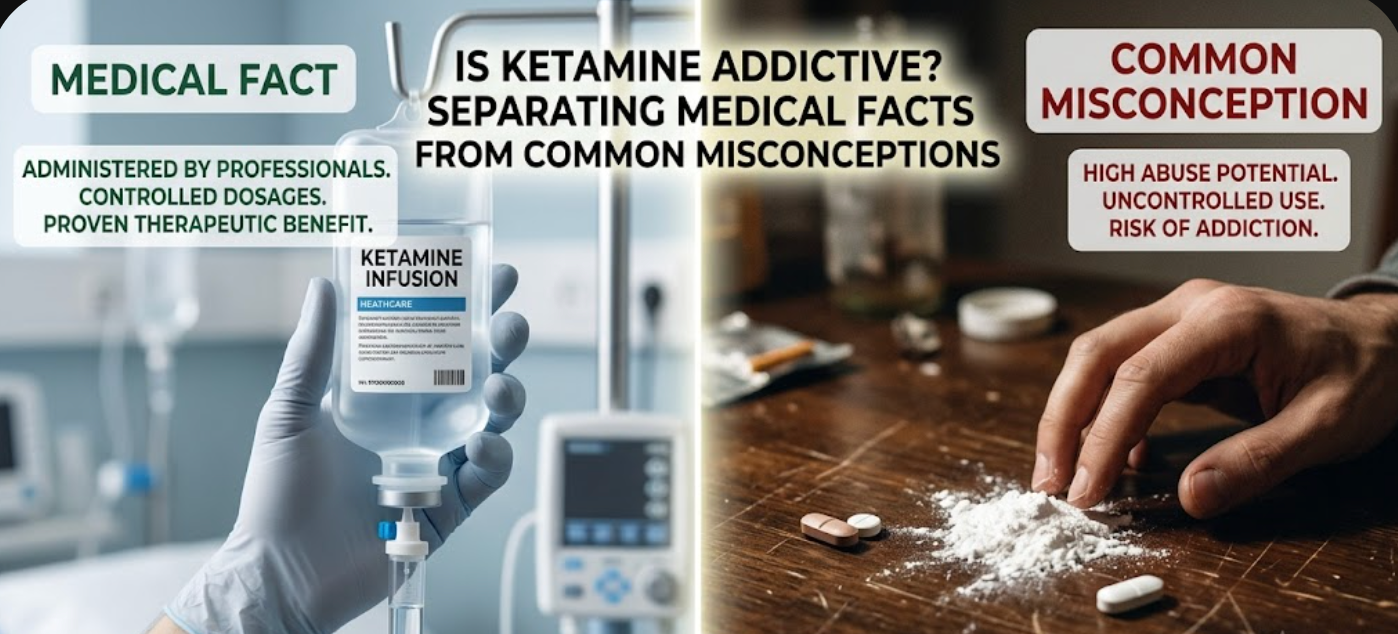
When administered at low doses in a controlled setting, either via IV infusion, nasal spray, or injection, ketamine has been shown to deliver rapid antidepressant effects—often within hours.
How Does Ketamine Work for Depression?
Ketamine works differently from traditional antidepressants in several key ways:
- Targets Glutamate: Ketamine increases glutamate levels in the brain, which promotes the formation of new neural connections (neuroplasticity). This is thought to help “reset” brain circuits involved in depression.
- Rapid Action: Many people experience relief within hours or days, compared to the weeks or months it can take for typical antidepressants to work.
- Reduces Suicidal Thoughts: Studies show that ketamine can significantly reduce suicidal thoughts, making it a potentially life-saving option for those in crisis.
- Promotes Lasting Change: Even after the immediate effects wear off, ketamine’s ability to enhance neuroplasticity may help create lasting improvements in mood, especially when paired with therapy.
Who Can Benefit From Ketamine Treatment?
Ketamine is often recommended for individuals with treatment-resistant depression—meaning they haven’t found relief with other treatments. It can also be helpful for those experiencing severe depression, suicidal thoughts, or anxiety disorders.
However, ketamine isn’t for everyone. It must be administered under medical supervision, and it’s important to have a thorough evaluation to ensure it’s safe and appropriate for your specific needs.
A New Hope for Depression
While research is still ongoing, the results so far are incredibly promising. Ketamine represents a major breakthrough for individuals struggling with depression, especially those who have felt hopeless after trying other treatments.
If you’re interested in exploring ketamine therapy, speak with a qualified provider to learn more about whether it could be the right fit for you.