Why Ketamine is an Effective Anxiety Treatment

January 14, 2025

Anxiety is one of the most common mental health conditions worldwide, affecting millions of people in various forms, from generalized anxiety disorder (GAD) to panic attacks and social anxiety. Traditional treatment options—such as psychotherapy and medication—are effective for many, but some individuals still struggle to find relief. In recent years, ketamine has emerged as an intriguing alternative for those who have not responded to conventional treatments. Originally developed as an anesthetic, ketamine has gained attention for its ability to produce rapid and profound effects on mental health, especially in treating anxiety.


What is Ketamine?

Ketamine is a dissociative anesthetic that was first used in medical settings in the 1960s. It was initially used for surgical anesthesia, particularly in emergency settings due to its ability to induce sedation without depressing the respiratory system. However, over the past two decades, scientists have uncovered its potential as a treatment for a range of mental health conditions, including depression, PTSD, and anxiety disorders.


When administered at sub-anesthetic doses, ketamine produces rapid antidepressant and anxiolytic (anti-anxiety) effects that can be felt within hours to days, in contrast to traditional medications like SSRIs (selective serotonin reuptake inhibitors), which may take weeks to show benefits.


How Does Ketamine Work to Treat Anxiety?

The exact mechanism by which ketamine alleviates anxiety remains a subject of research, but several key factors explain its effectiveness:


1. NMDA Receptor Antagonism

Ketamine is primarily known as an NMDA (N-methyl-D-aspartate) receptor antagonist. The NMDA receptor plays a key role in the brain's glutamate system, which is involved in mood regulation, learning, and memory. By blocking these receptors, ketamine helps to rebalance the brain’s glutamate levels, which may be disrupted in people with anxiety and depression. This action can lead to improved mood and reduced anxiety.


2. Rapid Action

Unlike traditional anti-anxiety medications that can take weeks to show benefits, ketamine has a remarkably fast onset of action. Many people report feeling a reduction in anxiety symptoms after just one or two treatments. This makes ketamine particularly appealing for individuals in acute distress or those who have not found relief from other medications.


3. Increased Brain Connectivity

Studies suggest that ketamine can enhance the brain’s connectivity by stimulating the growth of new neural connections, a process called neuroplasticity. In the context of anxiety, this means ketamine may help the brain rewire itself in ways that reduce the overactive fear and stress responses that characterize anxiety disorders. Ketamine has also been shown to increase the brain's ability to adapt and respond to new information, which is particularly useful for individuals stuck in anxious thought patterns.


4. Dissociative Effect

Ketamine's dissociative properties may also play a role in its therapeutic effects. In lower doses, ketamine can induce a state of detachment from the body and surroundings. This “dissociation” can allow individuals to temporarily break free from the overwhelming stress and anxiety they experience in their daily lives, providing a form of psychological relief. For those with anxiety, the ability to disconnect from intense emotional or physical sensations, even briefly, can offer a sense of relief and perspective.


Why Ketamine is an Effective Treatment for Anxiety


1. Targeting the Root Causes of Anxiety

Traditional medications like SSRIs, benzodiazepines, and beta-blockers typically focus on managing symptoms rather than addressing the underlying causes of anxiety. Ketamine, on the other hand, works at the level of neurotransmitters and brain pathways, potentially correcting the dysfunctions that lead to chronic anxiety. This makes ketamine not only a treatment for symptoms but also a way to address the neurobiological processes at the root of the disorder.


2. Effective for Treatment-Resistant Anxiety

For individuals who have tried multiple medications and therapies without success, ketamine offers new hope. Clinical studies have shown that ketamine can be effective for people with treatment-resistant anxiety. This term refers to individuals whose anxiety does not respond to first-line treatments, leaving them with limited options. In many cases, ketamine has provided significant relief where other treatments have failed.


3. Fewer Side Effects

Compared to other medications for anxiety, ketamine has fewer long-term side effects. While benzodiazepines, for instance, can be highly effective in the short term, they come with risks of dependency and tolerance, especially with prolonged use. SSRIs, while generally safer, can have a range of side effects, including weight gain, sexual dysfunction, and emotional blunting. Ketamine, when used appropriately in a controlled clinical setting, has a relatively low risk of dependency and is generally well-tolerated.


4. Potential for Long-Term Benefits

One of the most exciting aspects of ketamine treatment is its potential for long-term benefits. Some individuals report lasting improvements in anxiety symptoms after a series of treatments, with symptoms continuing to improve even after the treatment sessions have ended. This is particularly important for those with chronic anxiety disorders, as it suggests ketamine could help reset the brain’s emotional regulation systems in ways that traditional treatments cannot.


The Ketamine Treatment Process

Ketamine for anxiety is typically administered in a clinical setting under the supervision of a trained healthcare professional. The treatment process usually involves the following steps:


  1. Assessment: A thorough evaluation of the patient’s medical history and mental health status is performed to ensure ketamine is an appropriate treatment option.
  2. Administration: Ketamine can be delivered in several ways, including intravenous (IV) infusion, intramuscular (IM) injection, or nasal spray. The most common form for anxiety treatment is IV infusion, where patients receive a carefully calibrated dose over a period of 40-60 minutes.
  3. Observation and Follow-Up: After the treatment, patients are observed for a brief period to ensure there are no immediate side effects or adverse reactions. Follow-up sessions are typically scheduled to assess progress and determine if additional treatments are needed.
  4. Continued Support: Many clinics offer integration sessions or therapy alongside ketamine treatments to help patients process and make sense of their experiences.


Is Ketamine Right for You?

While ketamine shows great promise as a treatment for anxiety, it may not be suitable for everyone. The decision to pursue ketamine therapy should be made in consultation with a licensed healthcare provider who can assess your individual needs and determine whether this treatment is appropriate for your specific case of anxiety.


It’s also important to recognize that ketamine is not a cure for anxiety but rather a tool that can be part of a broader treatment plan. Combining ketamine therapy with ongoing therapy (such as cognitive behavioral therapy) and lifestyle changes (like mindfulness, exercise, and proper nutrition) may lead to the most effective and lasting results.


Final Thoughts

Ketamine’s potential as an anxiety treatment is revolutionary in many ways. Its ability to produce rapid, long-lasting relief from anxiety, particularly for those who have not responded to traditional medications, offers a promising new avenue for mental health care. While more research is needed to fully understand its mechanisms and long-term effects, the growing body of evidence supports its role in treating anxiety disorders. For those struggling with anxiety, ketamine may offer a new sense of hope and a path to a better quality of life.


May 28, 2026
If you’re considering ketamine therapy, this question usually shows up early: “How many treatments is this going to take?” Sometimes it’s simple curiosity. More often, it’s hesitation. Because what you’re really trying to understand is: Is this going to be a long process? How much of a commitment is this? And is it actually going to be worth it? Those are the right questions to be asking. Ketamine doesn’t follow the same rules as traditional treatments. It’s not something you take every day—and it’s not something that works in a single session either. Why Ketamine Is Given as a Series—Not a Single Treatment One of the most common misconceptions is that ketamine works after just one session. Ketamine increases neuroplasticity—your brain’s ability to adapt and form new connections. These changes need to be repeated and reinforced. Without repetition, the brain tends to fall back into the same patterns it has been running for years. The Initial Treatment Phase Most patients begin with a structured introduction to treatment, often referred to as an initial series. This phase is designed to build momentum through consistent sessions. Over time, small changes begin to feel more noticeable and more stable. What Patients Often Notice Patients often describe shifts such as: Feeling less stuck in their thoughts Reduced emotional heaviness Greater flexibility in how they respond to stress What Happens After the Initial Series Treatment becomes more individualized. Some patients pause, while others benefit from maintenance sessions spaced further apart. The goal is sustained improvement without unnecessary treatment.  Why the Number of Treatments Varies The number of treatments depends on the individual. Factors include duration of symptoms, previous treatments, and current stressors. Can You Stop Early? Early improvement does not always mean lasting change. A full series helps reinforce and stabilize progress. A more useful question is: what will give the most durable result? The Role of Therapy and Support Ketamine creates a window of flexibility in the brain. Therapy and intentional reflection help reinforce the changes created during treatment. A Final Word Ketamine therapy works best when approached as a process rather than a single event. Understanding this helps set realistic expectations and improves outcomes. Explore Ketamine Therapy at Ayafusion Ayafusion provides medically supervised ketamine therapy with a focus on safety and structure. Ayafusion offers ketamine therapy for depression, anxiety, and PTSD in Downers Grove and the greater Chicago area. Many clients searching for ketamine therapy near Chicago or ketamine-assisted psychotherapy in Illinois find us through referrals and educational resources like this.
May 4, 2026
Discover what ketamine therapy really feels like from a medical perspective—exploring the physical sensations, emotional effects, and what patients can realistically expect during treatment.
April 13, 2026
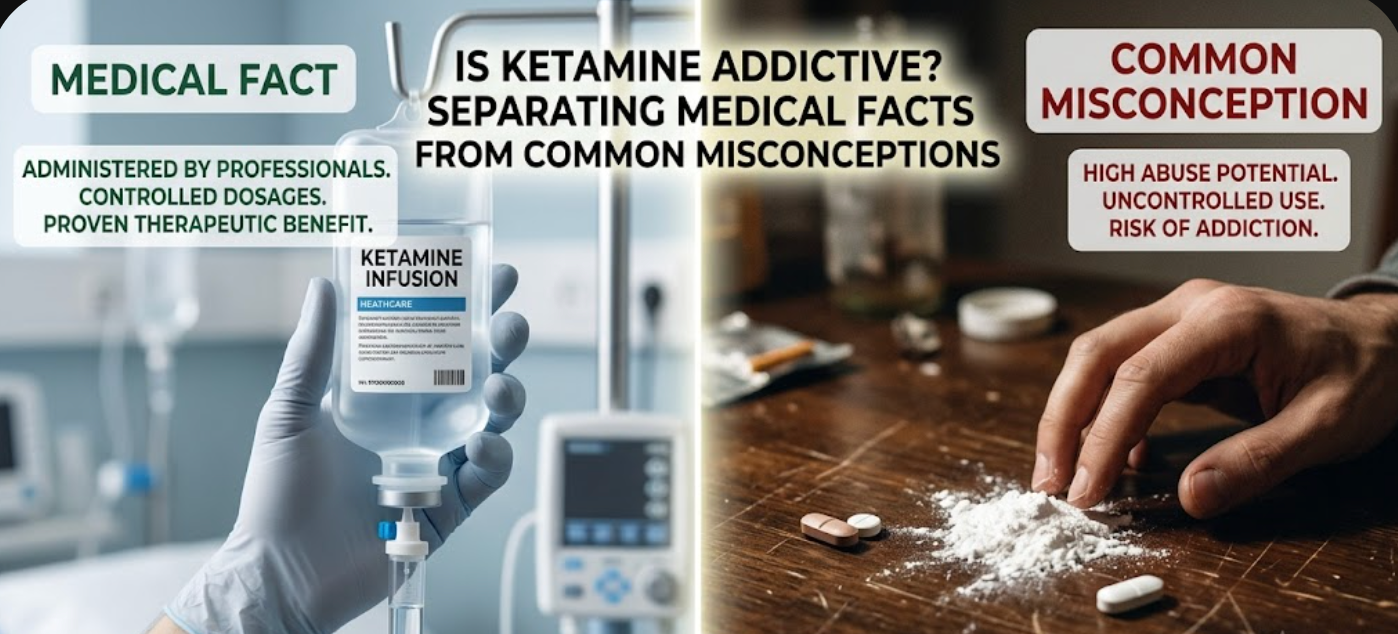
Why Safety Is the First Question—And the Right One If you’re considering ketamine therapy, you’re probably asking: “Is this actually safe?” That question doesn’t come from skepticism—it comes from experience. Most people exploring ketamine have already tried multiple medications, spent months or years in therapy, and felt let down by treatments that didn’t deliver. Ketamine therapy can be safe. But like any medical treatment, its safety depends on how it’s used, who is providing it, and whether you are an appropriate candidate. Ketamine Is Not New—But Its Use in Mental Health Is Evolving Ketamine has been used in medicine for decades in emergency departments, surgery, and pain management. It remains widely used because of its predictable safety profile when administered correctly. At lower doses, it is now being used to treat depression, PTSD, and anxiety-related conditions. What Actually Makes Ketamine Therapy Safe Safety is not just about the medication—it’s about the entire system surrounding the treatment. Proper Medical Screening Before treatment, patients are evaluated for cardiovascular health, medication interactions, mental health history, substance use, and overall appropriateness. Not everyone is a candidate—and that matters. Individualized Dosing Dosing is adjusted to your response, titrated over time, and designed to be therapeutic—not overwhelming. Continuous Monitoring During treatment, patients are monitored for blood pressure, heart rate, oxygen levels, and overall response. Structured Environment The clinical setting is calm, predictable, and supportive to reduce anxiety and support the experience. Medical vs Unsupervised Use There is a significant difference between medically supervised ketamine and unsupervised use. Clinical care includes controlled dosing, verified medication, monitoring, and real-time adjustments. Common Side Effects Most side effects are temporary and manageable. Mild increase in blood pressure Dissociation Nausea (less common) Temporary fatigue When Ketamine May Not Be Appropriate Ketamine may not be recommended for uncontrolled hypertension, certain cardiac conditions, active psychosis, or specific medication interactions. Is Ketamine Addictive? In a structured medical setting, dosing and frequency are controlled and monitored, reducing risk of misuse. Safety and Effectiveness When patients feel safe and supported, they are more able to engage with treatment and benefit from it. A Balanced Perspective Ketamine is not a cure-all and not appropriate for everyone, but when properly administered, it is safe, well-tolerated, and clinically valuable. Next Step If you’re considering ketamine therapy and want to better understand whether it’s appropriate for your situation, you can schedule a consultation or call the clinic directly for more information.
March 27, 2026
When Nothing Else Seems to Work If you’re reading this, there’s a good chance you’ve already tried multiple treatments for depression or PTSD—and didn’t get the results you were hoping for. You may have gone through: Several antidepressant medications Months or years of therapy Periods of improvement followed by relapse At a certain point, the question shifts from “What should I try next?” to “Why isn’t anything working?” This experience is often referred to as treatment-resistant depression, and it’s more common than many people realize. Ketamine takes a different approach. Why Traditional Treatments Don’t Always Work Most antidepressants—like SSRIs and SNRIs—focus on adjusting levels of neurotransmitters such as serotonin, dopamine, and norepinephrine. For some people, this is enough. For others, it isn’t. That’s because depression and PTSD are not just chemical imbalances. They also involve patterns of brain activity that become rigid over time. These patterns can include persistent negative thinking, emotional shutdown, heightened stress responses, and difficulty shifting perspective. A Different Mechanism: Beyond Serotonin Ketamine works through the glutamate system, which plays a central role in learning, memory, and neural communication. Rather than gradually adjusting chemistry, ketamine creates conditions for the brain to become more flexible and adaptive. What Is Neuroplasticity? Neuroplasticity is the brain’s ability to form new connections, strengthen or weaken pathways, and adapt based on new experiences. In depression and PTSD, neuroplasticity is often reduced. The brain becomes efficient at repeating the same patterns like rumination and avoidance. Ketamine helps temporarily increase neuroplasticity, creating an opportunity to shift those patterns. How Ketamine Works in the Brain Ketamine increases glutamate activity, promotes synaptic growth, reconnects key brain regions, and creates a temporary window where the brain is more open to change. How Quickly Does Ketamine Work? One of the biggest differences is speed. Antidepressants often take 4–6 weeks, while ketamine may produce noticeable changes within hours to days. What Does Ketamine Treatment Feel Like? Patients may experience a sense of detachment from usual thought patterns, changes in perception, and a more reflective internal state. Many report gaining new perspective, feeling less stuck, and accessing emotions in a more manageable way. Why This Matters for Depression Depression often involves persistent negative thought loops and reduced flexibility. Ketamine can interrupt these patterns and create mental space. Why This Matters for PTSD PTSD involves a nervous system stuck in threat response. Ketamine may reduce fear circuit overactivation and allow safer emotional processing. Is Ketamine Safe? When administered in a controlled medical setting, ketamine is considered safe with proper screening, monitoring, and dosing. It is important to distinguish between medical ketamine therapy and unsupervised use. The Role of Integration Ketamine creates the conditions for change, but integration determines long-term benefit. Support during this window helps translate insight into progress. Who May Benefit From Ketamine Therapy? Ketamine therapy may be appropriate for individuals who have not responded to traditional treatments, feel stuck in persistent patterns, or are dealing with unresolved trauma.  Next Step If you want to learn more about whether ketamine therapy is appropriate for your situation, you can schedule a consultation or call the clinic directly for more information.
February 6, 2026
Ketamine-Assisted Psychotherapy (KAP) is often described as fast-acting, but its true power lies in what happens after the session ends. Ketamine temporarily shifts the brain into a heightened state of neuroplasticity, allowing rigid patterns of thought, emotion, and behavior to soften. This window creates opportunity—but only if it is respected. From a neurobiological standpoint, ketamine increases glutamate activity and promotes the release of brain-derived neurotrophic factor (BDNF), a key molecule involved in learning, memory, and neural growth. These changes do not resolve instantly. They unfold over days, sometimes weeks, as the brain reorganizes and stabilizes new pathways. Allowing adequate time between sessions gives these changes the opportunity to consolidate rather than compete with one another. Emotionally, ketamine can bring subconscious material to the surface. Memories, insights, and emotional realizations often continue emerging well after the acute effects wear off. When sessions are spaced appropriately, clients can work with these experiences in psychotherapy, somatic practices, or reflective integration. Without sufficient spacing, experiences can become compressed, reducing clarity and emotional processing. There is also an important nervous system component. Ketamine can temporarily disrupt default stress responses, offering relief from anxiety and depressive rumination. However, the nervous system needs time to recalibrate and learn that safety is sustainable outside the ketamine experience itself. Spacing sessions reinforces self-regulation rather than dependence on the medicine. Clinically, overloading the system with sessions too close together may blunt therapeutic impact over time. Integration periods allow insights to be translated into real behavioral change—improved relationships, healthier boundaries, and more adaptive coping strategies. This is where long-term outcomes are shaped. At AyaFusion, ketamine therapy is intentionally structured. Session timing is guided by clinical response, emotional readiness, and integration progress—not speed. By honoring the brain’s natural rhythm of change, ketamine becomes a catalyst for durable transformation rather than a temporary escape. Healing is not about repetition—it’s about integration.
January 15, 2026
Ketamine therapy has changed the landscape of mental health treatment, offering rapid relief for individuals who have struggled for years with depression, anxiety, PTSD, and other treatment-resistant conditions. But ketamine is not simply a medication that works in the background. It is a psychedelic experience—one that alters perception, loosens entrenched thought patterns, and opens the mind in ways that can feel profound, unfamiliar, and sometimes unsettling. This is why psychedelic-informed support is not optional—it is essential. Before a ketamine session ever begins, the mind needs preparation. Many patients arrive with a mix of hope and apprehension, unsure of what the experience will bring. Without guidance, fear can dominate the session and limit its therapeutic potential. Preparation helps patients understand what ketamine feels like, how consciousness may shift, and how to approach the experience with curiosity rather than resistance. This foundation creates psychological safety, which allows the brain to relax into the neuroplastic state ketamine creates. During treatment, ketamine can temporarily dissolve the usual sense of self. Thoughts may feel distant, emotions may surface unexpectedly, and time may lose meaning altogether. In these moments, having skilled psychedelic support present makes a critical difference. Support is not about controlling the experience, but about holding space—offering reassurance, grounding, and stability so the nervous system remains regulated. When patients feel safe, the mind is free to explore and heal. The most overlooked phase of ketamine therapy begins after the medication has worn off. Ketamine opens new neural pathways, but without integration, those pathways can fade or become confusing. Patients may struggle to make sense of insights or emotional shifts without guidance. Psychedelic integration helps translate the experience into real-world change, reinforcing healthier thought patterns and behaviors over time. At AyaFusion, ketamine therapy is treated as a complete healing process, not a single intervention. By supporting patients before, during, and after treatment, we ensure that ketamine’s effects are not just rapid—but lasting. Ketamine opens the door. Psychedelic support helps patients walk through it. 
December 2, 2025
For many people living with depression, antidepressants and talk therapy can help — but for millions of others, the symptoms never truly improve. When you’ve tried multiple medications with little or no relief, you may be dealing with Treatment-Resistant Depression (TRD). Why TRD Happens Depression is complex. It’s not just a chemical imbalance — it’s often rooted in patterns that become “stuck” in the brain. Traditional antidepressants work slowly, and for some people, they never create the changes needed to feel better. Common signs of TRD include: Persistent sadness Emotional numbness Lack of motivation Hopelessness despite treatment Chronic anxiety Struggle to function day-to-day But your symptoms do not mean you're untreatable. They simply mean it’s time for a different approach. . Ketamine: A Breakthrough for People Who Have Tried Everything Unlike standard antidepressants that take weeks or months to work, ketamine can begin relieving symptoms in hours to days. This makes it one of the most powerful tools we have right now for people with TRD. Why ketamine works so well: Rapid improvement: Many patients feel better within the first few sessions. Restores brain connectivity: Ketamine helps the brain rewire and “unstick” itself from depressive loops. Effective when medications fail: People who haven’t responded to years of treatment often find relief with ketamine. Supports emotional breakthroughs: When combined with psychotherapy, ketamine opens the mind and allows for deeper healing. If you’ve been waiting for something to make a real difference — this is it. Ketamine-Assisted Psychotherapy (KAP) at Ayafusion On its own, ketamine can lift depressive symptoms. But when paired with guided therapy, it becomes even more powerful. At AyaFusion, KAP helps you: Process emotions with newfound clarity Break old patterns Heal past wounds Create lasting mental and emotional shifts This isn’t temporary symptom relief — it’s an opportunity for true mental reset. Don’t Wait for “New” Treatments — The Help You Need Is Already Here Many people hear about upcoming psychedelic therapies and think relief is years away. But you don’t have to wait. Ketamine is legal, safe, and clinically proven You deserve relief now. You deserve support now. Should You Come to Ayafusion for Treatment? Yes — especially if: You’ve tried multiple antidepressants without lasting relief You feel stuck or overwhelmed You’re losing hope that things can change You need a faster, more effective option You want a compassionate team guiding you every step of the way We specialize in helping people who feel they’ve run out of options finally experience the breakthrough they’ve been searching for. Start Your Healing Today — Not Someday If this describes your experience, know this: You still have options. You still have hope. And effective help is available right now. Ayafusion offers Ketamine and Ketamine-Assisted Psychotherapy (KAP) — one of the fastest, most effective treatments for TRD available today. You don’t need to wait for experimental therapies, future approvals, or “someday” solutions. Relief is available now , safely and professionally. If you’re ready to finally feel better, Ayafusion is here to help you take the next step toward healing, hope, and a life you can enjoy again.
October 7, 2025
Ketamine therapy is changing lives — fast. For people who have battled depression, anxiety, or chronic pain and found little relief elsewhere, ketamine offers something profoundly different: rapid, measurable results. But here’s something many people don’t realize — how ketamine enters your body makes a world of difference. The form of administration determines how quickly it works, how consistently it’s absorbed, and how deeply it helps reset the brain’s pathways. And according to recent research , not all routes are created equal. The Gold Standard: IV Infusion When it comes to precision, consistency, and depth of therapeutic impact, intravenous (IV) infusion leads the way. Administered through a small IV line, this method allows for a perfectly controlled and continuous dose — like tuning an instrument until the sound is just right. Patients often describe a “lifting of the fog” or a powerful emotional release even after just one session. That’s because IV delivery ensures ketamine reaches the brain at an optimal and stable level, allowing neural repair and reconnection to begin almost immediately. Backed by extensive research, IV infusions have the highest bioavailability (meaning your body actually receives nearly 100% of the medication) and the most consistent outcomes . A [recent study] highlighted that patients receiving IV ketamine reported significantly faster and more sustained relief compared to other routes. The Strong Contender: Intramuscular (IM) Injections If IV is the gold standard, intramuscular (IM) injections are a close silver — and in some cases, even preferred for their simplicity and potency. A single injection delivers a rapid and profound effect, often within minutes. IM treatments are especially helpful for those seeking a quicker experience without the setup of an IV line. The onset is fast, the results are powerful, and under medical supervision, the safety profile remains excellent. Many patients appreciate how IM sessions can feel more grounded and direct — less clinical, more personal — while still offering the full neurochemical benefits that make ketamine therapy so transformative. Other Routes: Convenient, but Less Consistent Other forms of ketamine — such as oral tablets , sublingual lozenges , or nasal sprays — can still play an important role, particularly for maintenance therapy after initial in-clinic treatments. However, these methods are less precise. Absorption can vary dramatically from person to person, which means the experience and therapeutic impact can fluctuate, too. That’s why most experts agree: if you’re beginning your healing journey, IV or IM routes offer the most reliable and effective path forward. Why Professional Oversight Changes Everything Here’s the truth: ketamine is powerful — and with that power comes responsibility. The right medical prescriber ensures your dosage is perfectly calibrated to your body and mental health needs, while a trained therapist helps you translate your experience into lasting transformation. When administered in a safe, structured environment, ketamine therapy isn’t just a temporary lift — it’s a profound reset that can restore clarity, purpose, and emotional balance. The Bottom Line Not all ketamine therapies are created equal. IV and IM administration routes deliver the strongest, most consistent, and research-backed results — especially when guided by experienced professionals who understand both the science and the soul of this medicine. When you combine medical precision with compassionate therapeutic integration, you unlock the true potential of ketamine therapy: a doorway to healing, renewal, and lasting change.
September 8, 2025
When you or someone you love is experiencing suicidal thoughts, waiting weeks for traditional medications to take effect can feel overwhelming. In these urgent moments, fast-acting relief isn’t just important—it can be life-SAVING. That’s why ketamine treatment is offering a new source of hope. Why Ketamine Works Quickly Unlike most antidepressants, which can take weeks to build up in the body, ketamine works on a different pathway in the brain called the glutamate system.  This helps restore connections in the brain that depression and trauma often disrupt. For many people, this means feeling a noticeable shift within hours or days—not weeks. Relief When It Matters Most People who receive ketamine treatment often describe it as a “lifting of the weight” they’ve been carrying. It doesn’t erase every challenge overnight, but it can provide the breathing room needed to step back from suicidal thoughts and begin focusing on healing. In a crisis, even that small window of relief can make a world of difference. A Bridge to Healing Ketamine works best as part of a larger care plan that includes therapy, support, and ongoing treatment. Think of it as a bridge—it provides quick stability so that you can safely begin building longer-term coping strategies and reclaiming a sense of balance. A Message of Hope If you or someone you love is struggling with suicidal thoughts, please know you are not alone. Ketamine treatment is one of the ways we can bring fast, effective relief during some of life’s darkest moments. Most importantly, it’s a reminder that hope and healing are possible.
August 15, 2025
At AyaFusion, we see mental wellness as a whole-body experience—and science is beginning to agree. While ketamine therapy is best known for its rapid and powerful relief from treatment-resistant depression, new research suggests its benefits may reach beyond the brain. Evidence points to a surprising connection: ketamine may also influence the gut microbiome, the community of trillions of microorganisms that play a vital role in mood, immunity, and overall health. Your gut and brain are in constant conversation through what’s called the “gut-brain axis.” A healthy gut microbiome helps regulate mood by producing key neurotransmitters like serotonin, managing inflammation, and supporting a balanced nervous system. When the microbiome is out of balance, symptoms of depression and anxiety can worsen. Early research indicates that ketamine may help restore microbial diversity and reduce inflammation—helping the body find equilibrium from the inside out. For many clients, this dual benefit means ketamine therapy doesn’t just shift thought patterns, it supports a physical foundation for lasting change. Combined with mindful lifestyle choices, the potential for healing expands even further. Eating fiber-rich whole foods, incorporating fermented foods like kefir or sauerkraut, practicing stress-reducing activities like yoga or meditation, and maintaining gentle movement routines all help nurture the microbiome and amplify the gains from ketamine treatment. At AyaFusion, we guide our clients through integration practices that complement the biological and emotional benefits of therapy. By addressing both the mind and the gut, our goal is to help you cultivate resilience, balance, and clarity—long after your ketamine sessions are complete. The emerging science is clear: mental health isn’t just in your head, it’s in your gut too. And when both are cared for, transformation is truly possible.